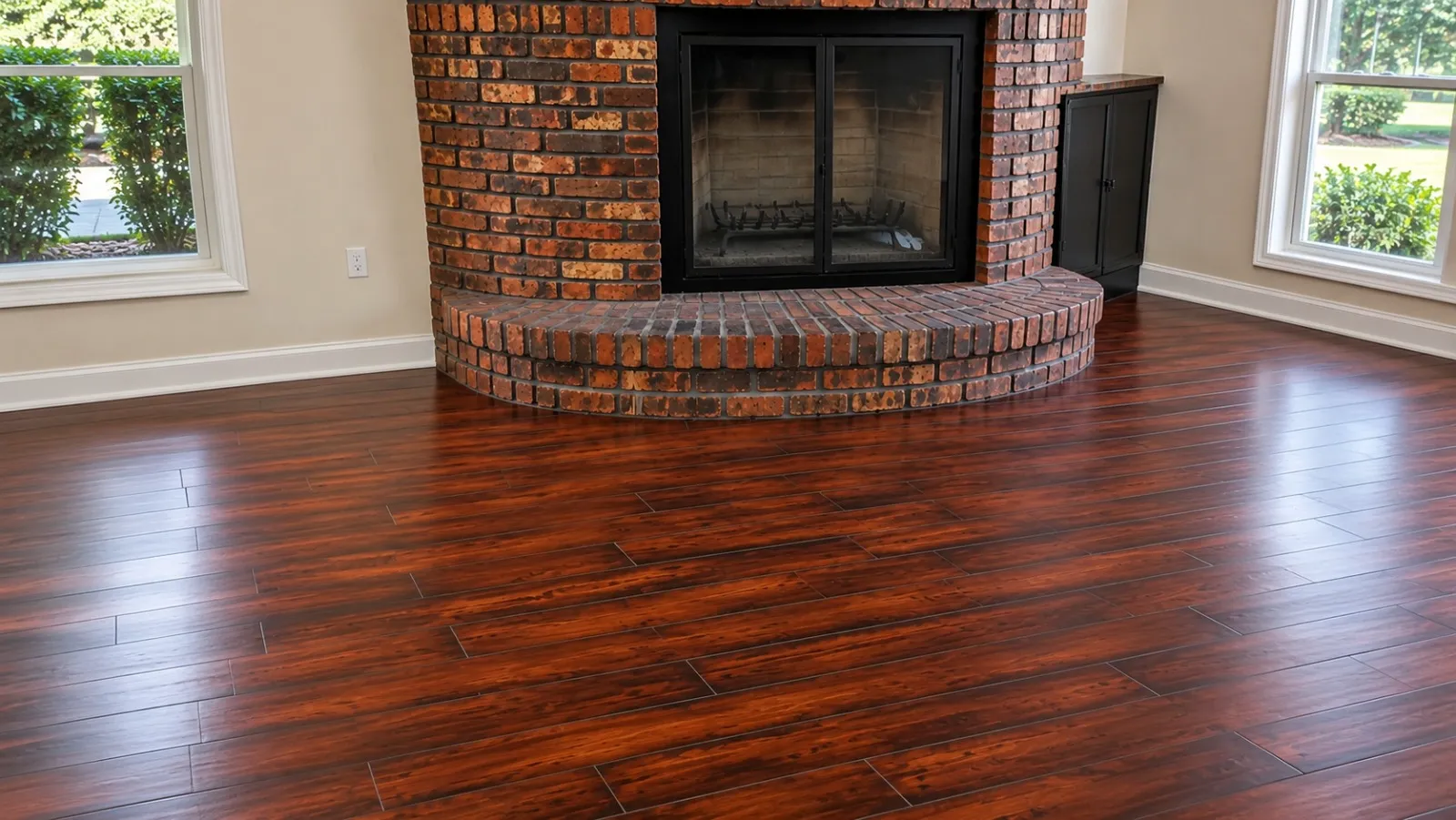
Flooring is one of the few finishes you touch every day, and one of the more disruptive to replace.
This guide compares common residential flooring materials, matches them to typical rooms, and explains why subfloor preparation deserves as much attention as the product you select.
- Match the material to moisture exposure and foot traffic, room by room.
- “Water-resistant” and “waterproof” claims vary; read product specifications.
- Slab subfloors need flatness and moisture checks before installation.
- Follow the manufacturer’s installation and acclimation instructions.
Compare Flooring Materials
Porcelain and Ceramic Tile
Hard-wearing and well suited to wet areas when properly installed. Tile can feel hard and cool underfoot, and grout lines need periodic cleaning and, depending on the grout, sealing.
Luxury Vinyl Plank and Tile
Popular for its range of looks and moisture tolerance. Construction and wear layers vary widely between products, which affects durability and how well it handles heavy furniture or pets.
Laminate
A layered product with a photographic wear surface. Many laminates are sensitive to standing water at the seams, though some lines are rated for greater water resistance.
Engineered and Solid Hardwood
Engineered hardwood has a real wood top layer over a layered core and is often chosen for installation over concrete. Solid hardwood generally requires specific subfloor conditions; check the manufacturer’s requirements.
Carpet remains a comfortable, quieter choice for bedrooms and some living areas, though it is less suited to rooms with frequent spills or moisture.
Choose Flooring by Room
- Kitchens: spills, dropped items, and long periods of standing favor durable, moisture-tolerant surfaces.
- Bathrooms and laundry rooms: materials rated for wet areas, with careful attention to edges and transitions.
- Entryways and mudrooms: grit and heavy traffic call for scratch-resistant, easy-clean surfaces.
- Living and dining areas: a balance of appearance, comfort, and durability.
- Bedrooms: comfort and noise reduction often take priority.
Many homeowners use one continuous material through connected living spaces for a cleaner look, then switch to a more water-resistant option in bathrooms and laundry areas.
Durability and Maintenance
Think about who and what will be on the floor. Large dogs, rolling chairs, and heavy furniture all test a surface differently.
Moisture Claims
A product described as waterproof may resist water on its surface while still requiring protection at edges or limits on how long water can stand. Read what the warranty actually covers.
Everyday Care
Ask what cleaning products the manufacturer allows. Some cleaners, steam mops, or excess water can void warranties or damage certain finishes.
Prepare Concrete Subfloors
Many homes in the Dallas area are built on concrete slab foundations. A slab that is uneven or releasing moisture can cause gaps, hollow spots, cracked tile, or adhesive failure, regardless of the flooring quality.
Before installation, the subfloor is typically checked for flatness against the manufacturer’s tolerance, with high spots ground down and low spots filled.
If you notice significant new cracks in the slab, doors that suddenly stick, or uneven floors that are getting worse, consider having the foundation evaluated before investing in new flooring.
Comfort and Appearance
Hard surfaces can be noisier and feel harder underfoot; underlayments and area rugs help with both. Lighter floors may show dirt less in dusty conditions but can reveal stains, while very dark floors can show dust and scratches.
If you are pairing new floors with painting or other updates, our home remodeling planning roadmap explains how to sequence the work so new floors are not damaged by later trades.
Before Flooring Installation
- How will the subfloor be checked for flatness and moisture?
- Is removal and disposal of the existing flooring included?
- Does the product need to acclimate, and for how long?
- How will transitions to adjacent rooms and doorways be handled?
- Will baseboards or door casings need to be removed or trimmed?
- What maintenance does the manufacturer require to keep the warranty valid?
Learn more about our flooring installation and replacement services, or contact our team to talk through options for your rooms.
Frequently Asked Questions
Tile, many luxury vinyl products, laminate, and engineered hardwood are commonly installed over concrete, provided the slab meets the manufacturer’s flatness and moisture requirements.
Standard laminate can be damaged by standing water at the seams. Some laminate lines are rated for higher water resistance; check the specifications and warranty before using it in wet areas.
Many products, especially wood-based flooring, have acclimation instructions. Follow the manufacturer’s guidance, since requirements differ between materials and products.
Related Home Improvement Guides
Planning a Home Remodel in Dallas
A practical planning roadmap for Dallas homeowners: set clear goals, define the scope, build a realistic budget, sequence the work, and prepare your home before remodeling begins.
Roof Repair vs. Replacement in Dallas
A decision guide to roof repair versus replacement: warning signs to watch from the ground, how North Texas weather affects roofs, and the questions to ask during an assessment.