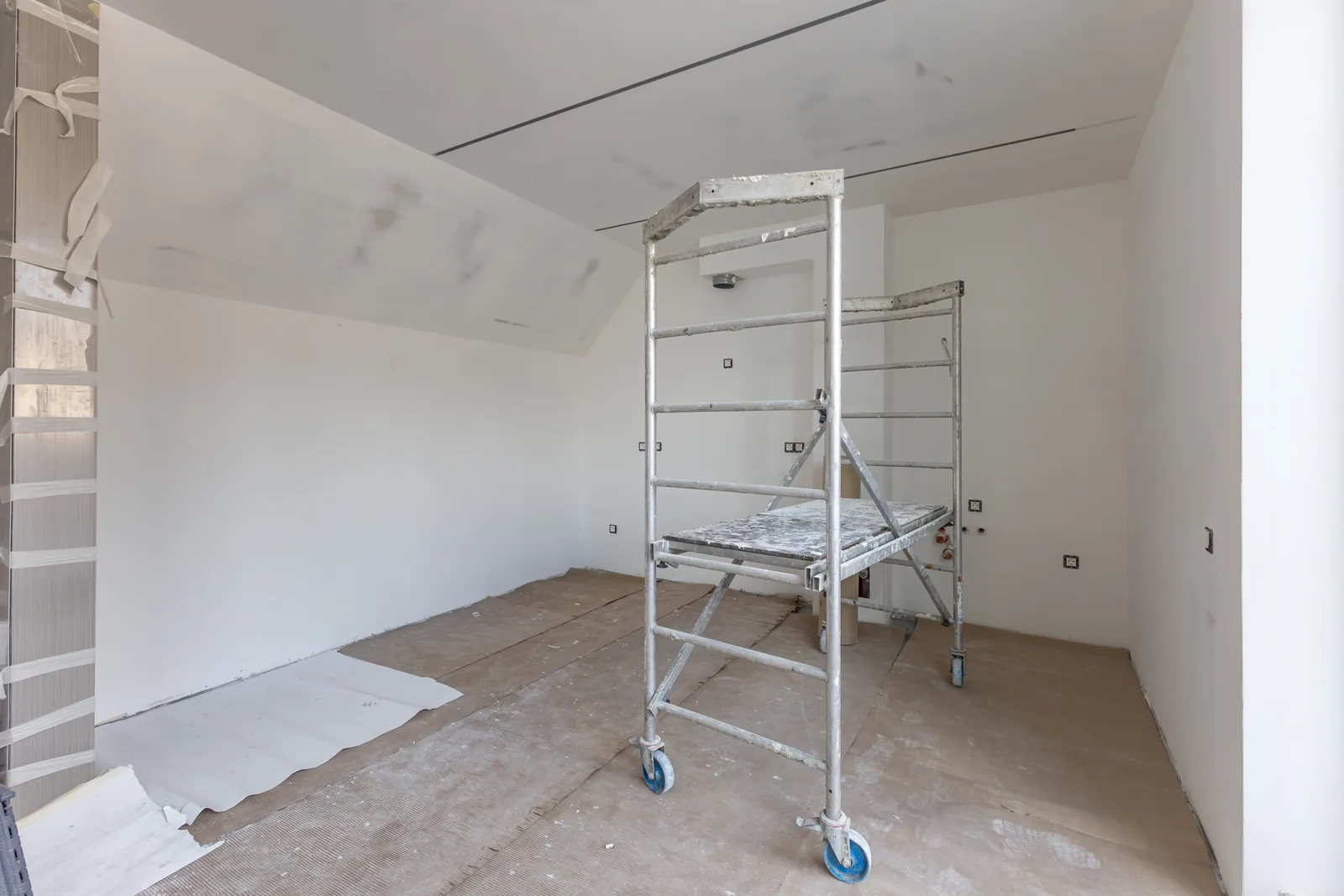
A successful remodel is usually decided long before the first wall is opened.
This roadmap walks through that order step by step. Use it to prepare for a kitchen update, a bathroom renovation, a whole-floor refresh, or a mix of smaller improvements, and to arrive at your first contractor conversation with clear priorities. When you are ready, our home remodeling and renovation services page explains the types of work we handle across Dallas and nearby communities.
- Define the problem each room needs to solve before choosing finishes.
- Separate must-have work from optional upgrades to protect the budget.
- Set aside a contingency for conditions hidden behind walls and floors.
- Make major material selections before work starts, not during it.
Define Your Remodeling Goals
It is tempting to begin with countertop samples or tile photos. A more reliable starting point is a short written description of what is not working today.
For each room, write down three things: what bothers you about it now, how you want to use it after the remodel, and how long you expect to stay in the home.
Define Your Project Scope
A scope of work is the written list of what will be removed, repaired, built, and installed. A clear scope makes estimates comparable, reduces mid-project surprises, and gives everyone the same reference point when questions come up.
Must-Haves
Repairs and functional changes the project cannot succeed without, such as replacing damaged subfloor, correcting a poor layout, or addressing failing fixtures.
Nice-to-Haves
Upgrades that improve the result but could be scaled back or added later, such as premium finishes, decorative lighting, or built-in storage.
Note which items involve plumbing, electrical, or structural changes. These often affect permits, sequencing, and cost more than cosmetic updates do.
Plan Your Remodeling Budget
Remodeling costs vary widely with the size of the space, the condition of the existing structure, and the materials you select, so published “average” figures are rarely a reliable guide for a specific home.
Older homes in particular can reveal conditions that are invisible during a walkthrough: deteriorated framing, outdated wiring, or past water damage under flooring.
- Ask for estimates that break out labor, materials, and allowances separately.
- Clarify what an “allowance” covers and what happens if your selection costs more.
- Decide in advance which nice-to-have items you would drop if the contingency is needed.
Choose Practical Materials
Good material choices balance appearance, maintenance, and the conditions of the room. A bathroom floor needs to tolerate standing water; a mudroom needs to handle grit and heavy traffic; a living room may prioritize comfort underfoot. Our guide to choosing the right flooring for your home goes deeper on that decision.
Try to finalize major selections such as cabinets, tile, flooring, and fixtures before work begins. Some products have lead times, and a missing item can pause an otherwise ready job site.
Plan the Work Sequence
When a project touches several rooms, the order matters. Work generally moves from structure and rough-ins toward finishes, and from top to bottom within a room, so finished surfaces are not damaged by later trades.
- Demolition and any structural or framing changes.
- Rough plumbing, electrical, and mechanical work, followed by any required inspections.
- Drywall installation and finishing.
- Primer and interior painting, often before flooring goes in.
- Flooring, cabinets, trim, fixtures, and final touch-ups.
Living at Home During Remodeling
Decide which rooms must stay usable. If the only full bathroom or the kitchen is being remodeled, plan a temporary alternative before demolition starts.
Phasing a Larger Remodel
Completing one area at a time can reduce disruption, but splitting related work across phases may repeat setup and cleanup. Discuss both options when you request an estimate.
Communicate With Your Contractor
Most remodeling friction comes from assumptions that were never written down. Agree early on how decisions will be confirmed, who the main point of contact is, and how changes to the scope will be priced and approved.
Before signing, ask questions that reveal how the project will actually run:
- Which permits or inspections apply to this scope, and who is responsible for obtaining them?
- What is included in the estimate, and what is specifically excluded?
- How will change requests be documented and priced?
- How will the work area be protected and cleaned each day?
- What does the project schedule depend on, such as material deliveries or inspections?
Prepare for Renovation
Clear the work area completely, including items on walls and shelves in adjacent rooms that may be affected by vibration.
Dust travels further than most people expect. Ask how the work zone will be separated from the rest of the home, and consider moving electronics, artwork, and fabrics out of nearby rooms.
Common Remodeling Mistakes
- Choosing finishes before confirming the layout works.
- Comparing estimates that describe different scopes of work.
- Spending the full budget with no room for hidden conditions.
- Changing selections after materials have been ordered.
- Assuming permits are not needed without checking with the city.
A remodel planned in this order, goals, scope, budget, materials, then sequence, gives you a firm foundation for productive conversations. To discuss your plans, request an estimate or browse documented field work in our project portfolio.
Frequently Asked Questions
Start with the problems the space needs to solve and how you want to use it afterward. Layout and function decisions should come before finish selections, because finishes depend on where walls, fixtures, and cabinets will be.
It depends on the work. Structural changes and many electrical, plumbing, and mechanical modifications typically require permits, while purely cosmetic updates may not.
Define the scope in writing, finalize major selections before work starts, keep a contingency for hidden conditions, and agree on how change requests will be priced and approved.
Related Home Improvement Guides

Roof Repair vs. Replacement in Dallas
A decision guide to roof repair versus replacement: warning signs to watch from the ground, how North Texas weather affects roofs, and the questions to ask during an assessment.
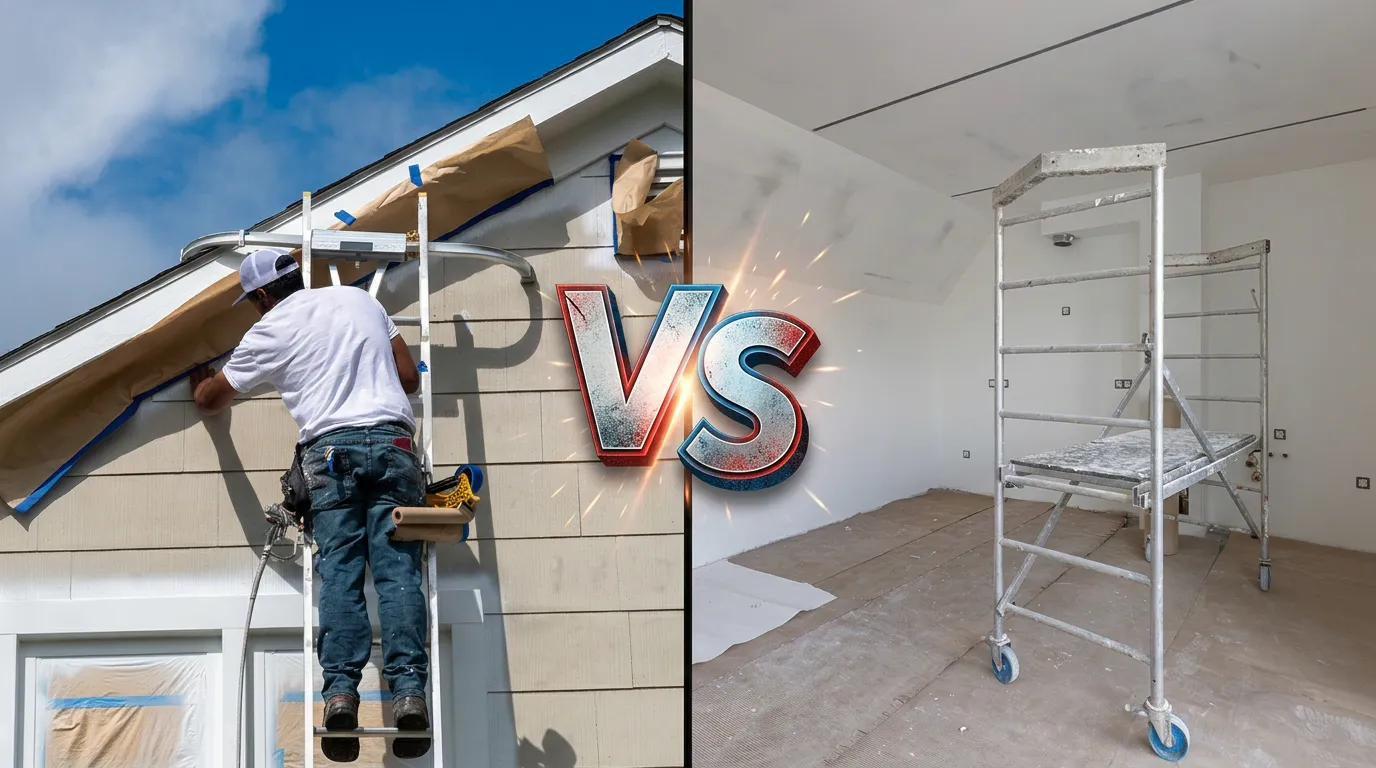
Interior vs. Exterior House Painting
Why preparation matters more than the paint can: how interior and exterior projects differ, choosing paint and sheen, timing around weather, and common prep mistakes.